
Bio
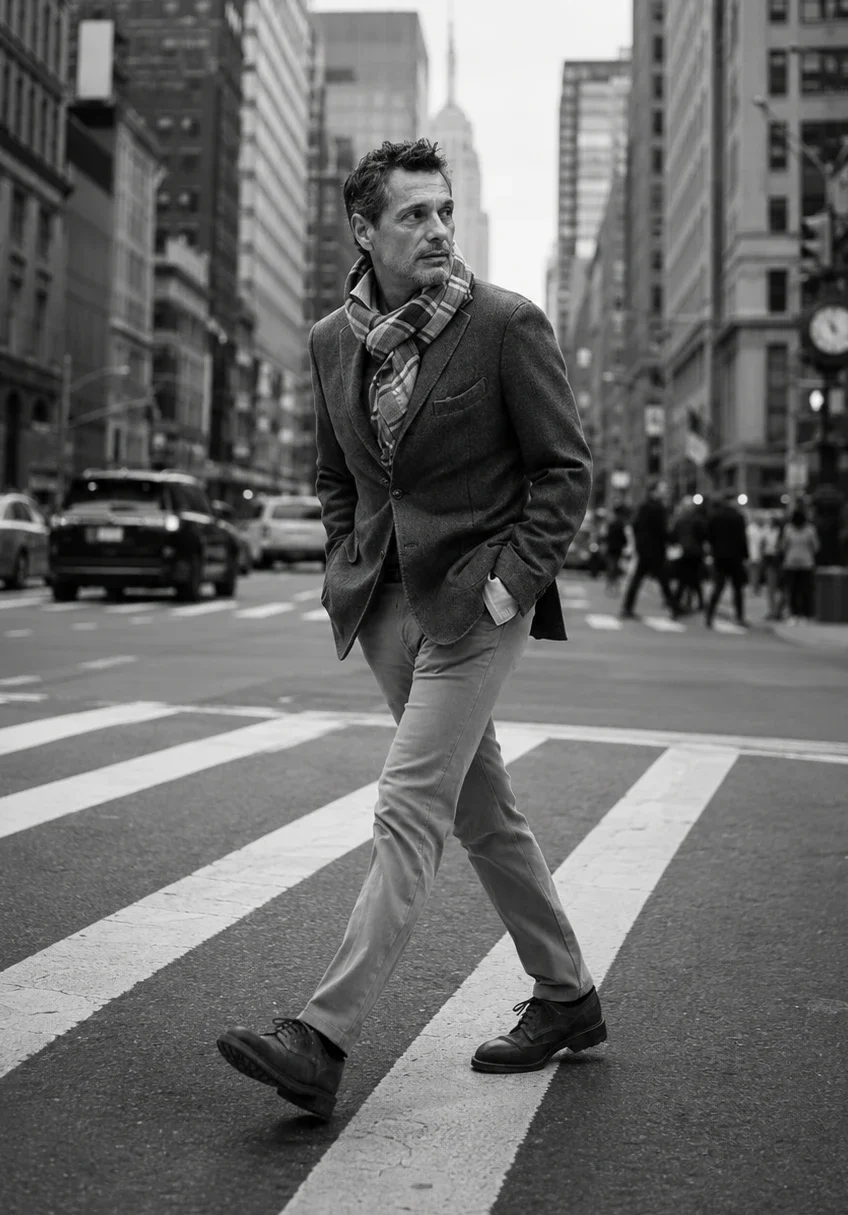
Born and raised in Mexico City, Tirso Sigg has lived in the United States since 1987. After years of balancing a wide range of occupations while continually developing his sculptural practice, he earned an Associate of Fine Arts degree from San Antonio College in 1998 and a Bachelor of Fine Arts in Product Design from the Savannah College of Art and Design in 2002.
Based in San Antonio, Texas, Sigg creates sculptures from reclaimed industrial artifacts and found objects, drawn to the beauty of weathered surfaces, mechanical histories, and post-industrial nostalgia. By transforming discarded materials into evocative compositions, his work explores memory, resilience, movement, and the enduring stories embedded in everyday objects.
With more than four decades dedicated to sculpture, Sigg continues to experiment with materials, form, and scale, creating works that reflect both personal experience and broader human narratives. His sculptures have been exhibited in galleries and public spaces and are held in private collections.
Beyond the studio, Sigg enjoys redesigning vintage jackets, maintaining an active lifestyle, and spending time with his family.
Follow his work on Instagram @tirsosiggdesigns.
Statement
I am drawn to forgotten presences—discarded wood, worn steel, rusted mechanisms, and fragments that still bear the memory of their former lives. Rather than erase their histories, I choose to work with them. Their scars, imperfections, and traces of use remain visible, becoming an essential part of the story. Through this process, my work becomes not only an act of making, but also one of recovery, remembrance, and transformation.
The dialogue between wood and industrial remnants lies at the heart of my practice. When these rescued forms come together, they take on a new life. They embody the tension between nature and industry, memory and function, permanence and change. In their meeting, I create spaces where opposing forces coexist and where forgotten histories can be seen in a different light.
Removed from their original purpose, mechanical components become symbols rather than tools. A wheel no longer turns, yet it continues to suggest cycles of time, return, and transformation. A worn handle bears the imprint of countless human gestures, becoming a quiet record of presence and experience. Rust, abrasion, and patina are not flaws to be concealed; they are evidence of a life lived. They speak of endurance, passage, and the dignity that comes with age.
Like the artists of Arte Povera, I am inspired by humble bearers of memory because they resist spectacle. Their significance does not come from rarity or perfection, but from their ability to carry memory and evoke connection. I see these relics as vessels of experience—existing between what they once were and what they may become. Through acts of transformation, I invite them into a new chapter, where loss gives way to renewal and forgotten histories find a voice once again.